


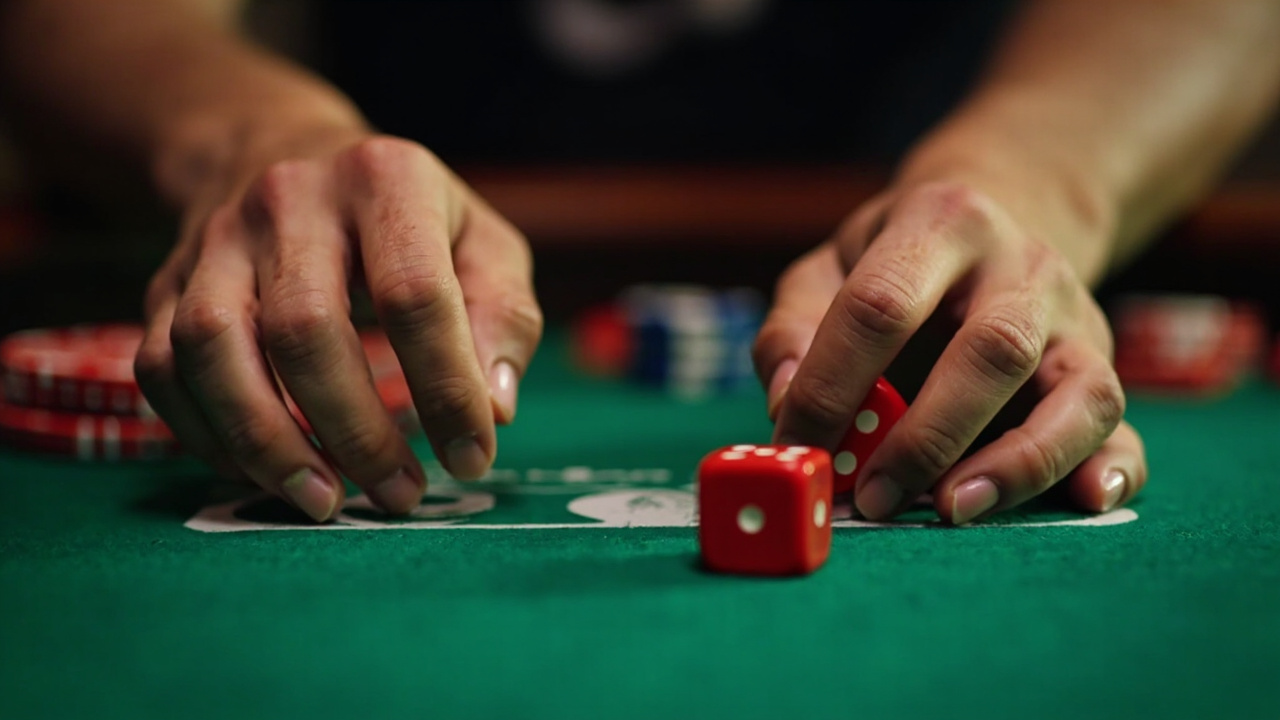
The first thing I tell new operators when they ask about blackjack side bet odds explained is that the maths sits in plain sight if you stop treating the table like a punt. I spent years scaling wagering products across APAC, and the same pattern shows up: players chase the flashy squares on the felt without reading the paytable first. A blackjack side bet can add a bit of colour to a quiet arvo session, but the house edge on those extras is usually a lot heavier than the main game, and that is the part most Australians miss before they sit down.
That same impulse to chase the flashy squares without checking the paytable is exactly what we warn against when we tell players to get all aboard pokie all aboard pokie promotions with their eyes wide open. You need to treat every wager like a product feature, not a lucky charm, and that means reading the fine print before you put a single chip down. Once you stop gambling on assumptions and start tracking the actual return-to-player numbers, the whole game shifts from a punt to a calculated play.
Where the edge actually lives
Blackjack side bet odds explained properly means separating the base game from the extras. The main blackjack hand generally runs a house edge in the low single digits when you play basic strategy, but side bets like Perfect Pairs, 21+3, or a suited jackpot square shift that balance sharply. I have sat through product reviews where a operator-scale team flagged a side bet paying eight to one on a rare combo while the true hit rate sat well below five per cent, and that gap is where the money quietly leaks. In regional New South Wales, where local clubs often run a slower pace and a quieter floor, the side bet board can feel like a friendly little distraction, yet the maths does not care how relaxed the room is. If you want the numbers to make sense, read the paytable before you press a chip, then compare the advertised payout against the real probability of hitting that combination. A side bet that pays three to one on a frequent outcome is a different proposition entirely from one that pays twenty-five to one on a longshot, and the difference shows up in your bankroll over a full session.
How to read a paytable without the spin
Blackjack side bet odds explained in plain terms comes down to three things: the payout, the hit frequency, and the implied edge baked into both. Start with the paytable on the screen or the felt, because that is the only place the operator tells you what a winning combo actually returns. Next, work out how often that combo lands in a typical shoe, which is where most casual players go wrong and assume a pretty payout means a fair price. I have seen product teams at compliance-heavy operators run the same side bet through a model and find the edge sitting anywhere from three to fifteen per cent depending on the variant, which is a very different story from the main blackjack line. A sensible way to handle it is to treat the side bet as paid entertainment, not a route to a better return, and to decide your limit before the first card drops. If you are logging in from a regional New South Wales club or a mobile session on the couch, the same rule applies: know the table, know the edge, and do not let a bright payout talk you into a bigger stake than you planned.
What a responsible session looks like
Blackjack side bet odds explained only matters if the table around it is set up to keep you in control. A properly run room gives you clear account controls, a visible limit-setting flow, and support that actually answers when you ring it, not just a generic ticket queue. I have advised founders who built wagering products from the ground up, and the ones that last are the ones that treat responsible-play tools as core product, not a compliance checkbox bolted on at the end. That means deposit limits you can set in minutes, session reminders that do not feel like a lecture, and privacy handling that keeps your data locked down instead of wandering around the backend. If you are comparing rooms, look for one that lets you slow things down without making you feel like you are being punished for it, and check that the support team is reachable when the screen gets noisy. A good room does not promise a winning streak; it gives you the controls to play your own game and walk away when you have had enough.
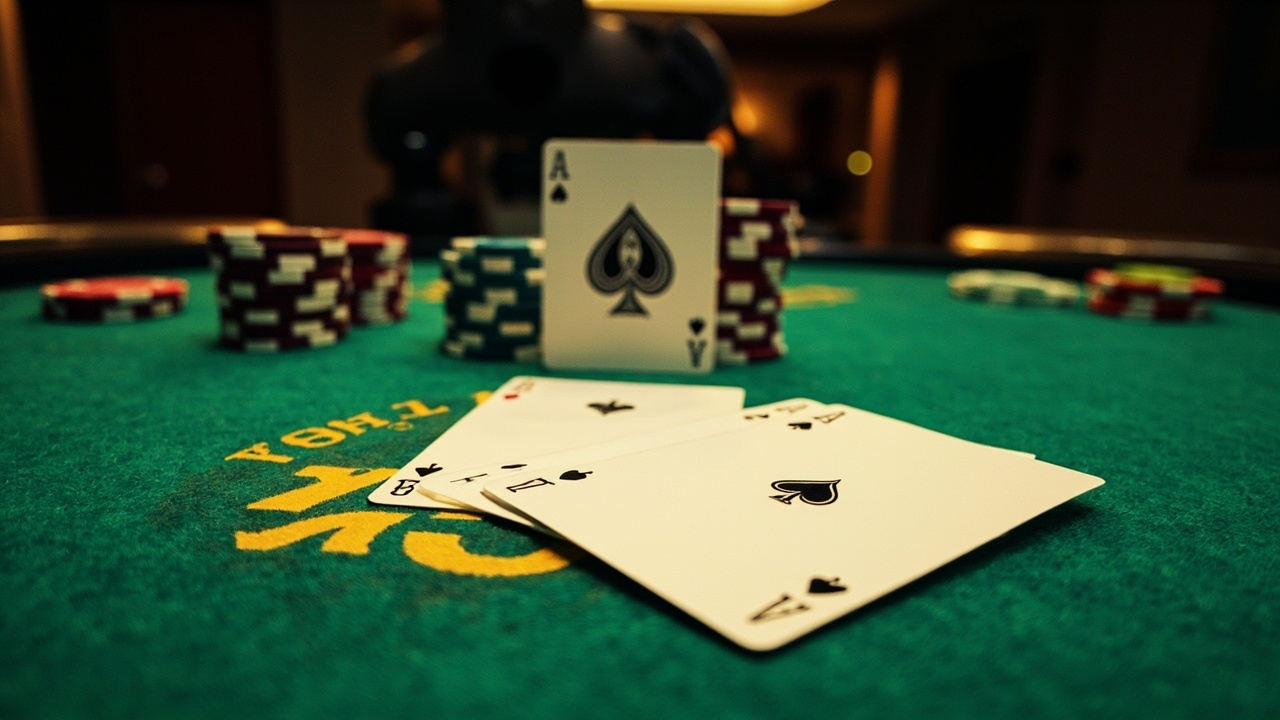
- Open the blackjack table and read the side bet paytable before you place a chip.
- Note the payout for each combo and compare it with how often that combo realistically hits.
- Decide a side bet stake that sits separately from your main blackjack budget.
- Set a deposit or loss limit in the account controls before the session starts.
- Keep the side bet as occasional colour rather than the main reason you are at the table.
- If the pace or the losses start feeling off, use the session tools and step away.
A blackjack side bet can be a bit of fun when you know the odds and treat the extra square for what it is, not for what you wish it was. The players who do best are the ones who read the paytable, keep the side bet separate from the main hand, and pick a room with proper account controls and real support behind it. Play for the colour, keep your limits set, and let the maths do the talking.